
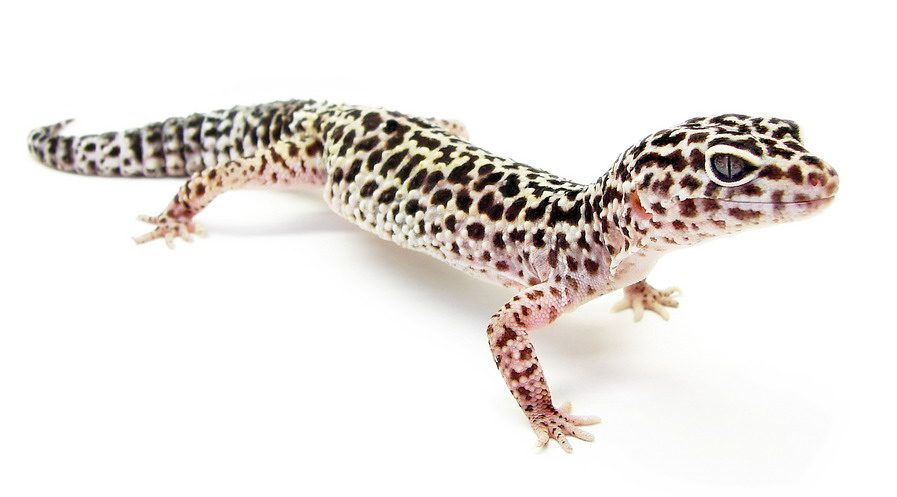

Zia kept her treasure at the end of her spine.
All summer, in the dry rocky hills of Pakistan, she had hunted through the warm nights. Crickets. Beetles. Spiders. Every catch made her tail a little rounder, and her tail was where a leopard gecko stores its fat, the way a squirrel stores nuts.
Winter in those hills is real winter. Cold winds. Cold stones. For the coldest months, a leopard gecko tucks itself deep beneath the rocks and rests, living off its tail like a packed lunch.
By autumn, Zia's tail was magnificent.
Then came the fox.
It happened between one step and the next. A rush of red fur, a snap of jaws, and teeth closed on her beautiful tail.
Zia did the bravest thing a gecko can do.
She let it go.
The tail snapped off at a special breaking point and began to dance, flipping and wriggling on the gravel as if it were alive. The fox stared, amazed. And Zia slipped into a crack in the rocks, whole and safe and suddenly very poor.
Her pantry lay outside, dancing for a fox.
That night she looked at the little stump where her treasure had been. Winter was weeks away. A gecko with an empty tail faces a hungry, dangerous sleep.
So Zia went to work.
She had tools, and she knew it. Big keen eyes that gather the faint light of the stars, made for hunting in the dark. Ears that catch the smallest scratch of insect feet on sand. Strong little claws for scrambling over stone, because a leopard gecko is a walker of the ground, built for gravel and rock.
Night after night she hunted. Moths. Crickets. Ants. When she shed her skin, she ate every scrap of it, because in the hills nothing is wasted.
And slowly, quietly, the stump began to grow.
The new tail came in smoother than the old one, and rounder too, shaped a little like a carrot. Zia did not mind. She filled it, meal by meal, night by night.
When the first frost silvered the stones, she slid into her deepest crack, curled up, and did something almost no other gecko on Earth can do.
She closed her eyes.
If you ever meet a gecko, watch its eyes, and here is your secret to keep: most geckos cannot blink at all. Leopard geckos can. Scientists even named their family Eublepharidae, which means true eyelids.
Zia drowsed the cold months away, her new tail slowly, gently growing lighter as it fed her.
In spring she stepped out into the sunlight, thin and bright and alive, her dark spots glowing like little shadows on gold.
What is lost is not the end of the story.
Some treasures simply grow again.